CACTI
UNDERSTAND THIS ENTHEOGEN
Around 100 different cacti contain mescaline and some have 50 psychoactive alkaloids that can be beneficial for the treatment of alcoholism.

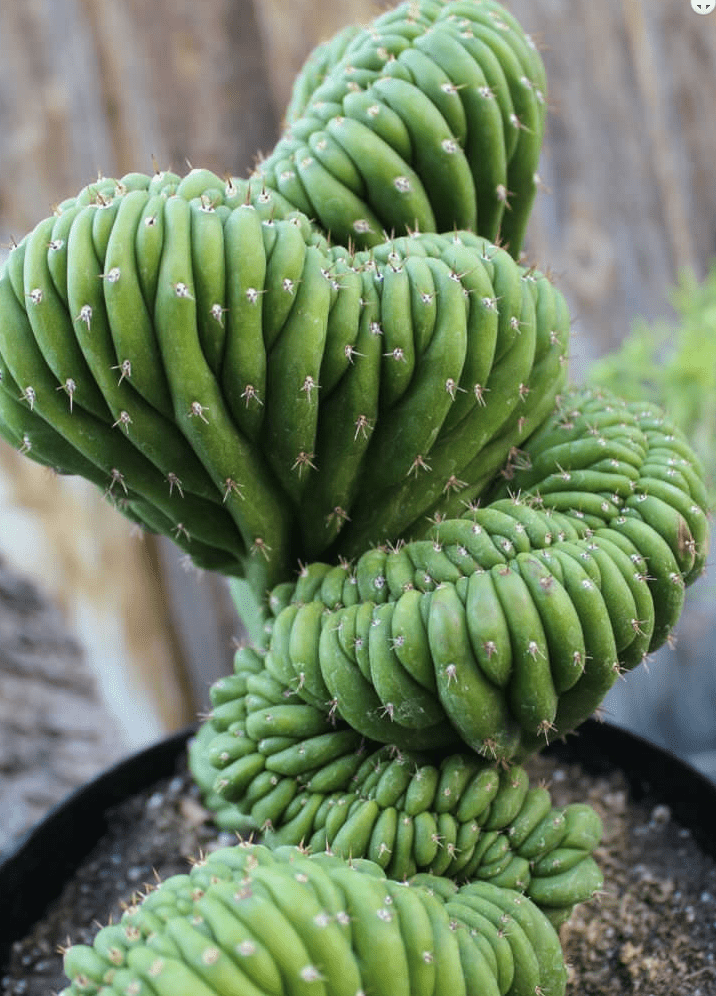
Echinopsis pachanoi is a cactus native to South America, with traditional religious and medicinal uses spanning more than 3,000 years. Out of the various alkaloids it contains, mescaline is responsible for its psychoactive effects. San Pedro is a columnar cactus traditionally used for medical and religious purposes in certain parts of South America.
Other cactus species that belong to the botanical genus Echinopsis (formerly called Trichocereus) are also known by this name, mainly Echinopsis pachanoi and Echinopsis peruviana, although there are other varieties such as E. puquiensis, E. santaensis, and E. schoenii. San Pedro contains different alkaloids, including mescaline, a substance with psychoactive effects. From Iceers.com
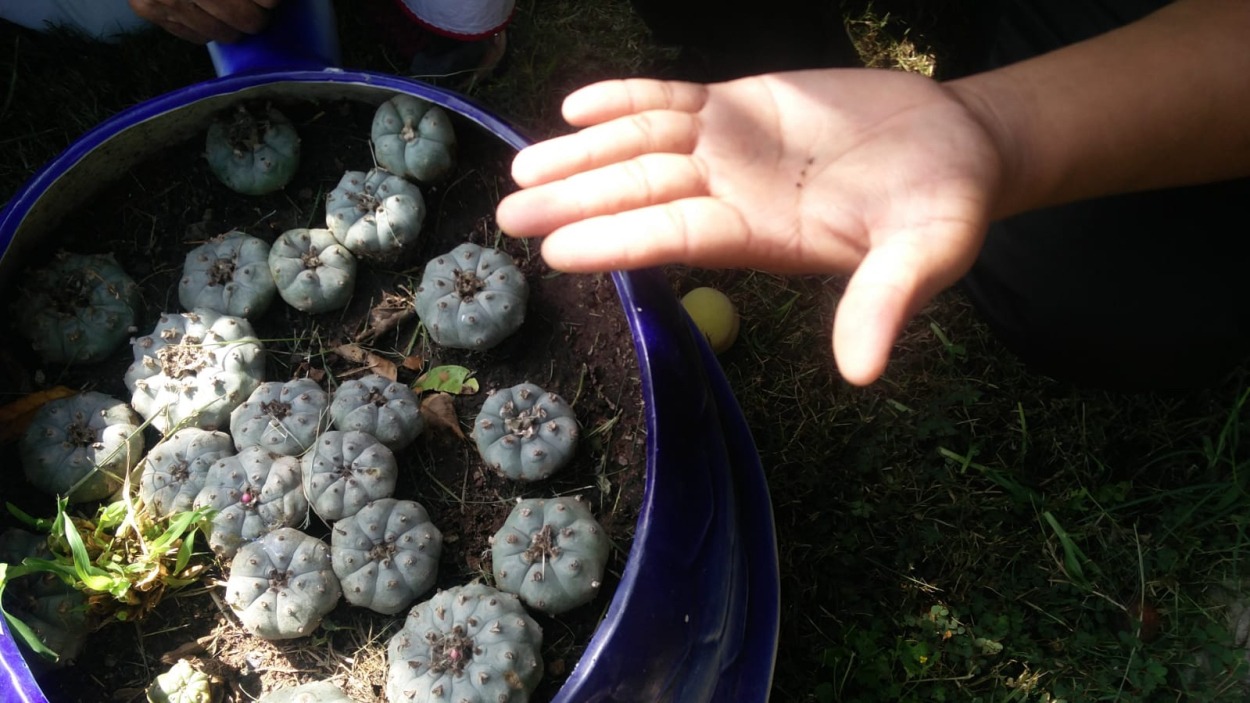
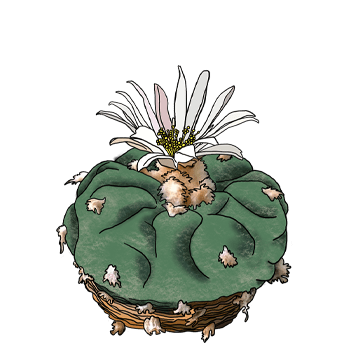
The effects of E. pachanoi are mainly due to the alkaloids it contains, in particular mescaline. The alkaloid content is similar to that of peyote, and therefore the subjective effects are similar as well.
The psychological effects of San Pedro are usually described as being similar to those of peyote and mescaline, although the doses used traditionally do not seem to be high enough to produce a psychoactive experience.
Mescaline has a mildly stimulating effect, although some traditional reports speak of an initial state of lethargy after ingesting San Pedro. From Iceers.com
Some neo-shamanic groups use higher doses of San Pedro, so the effects that occur are similar to those produced by “classical psychedelics,” such as LSD and psilocybin.
These include:
Mescaline, the psychoactive alkaloid of San Pedro, is a substance controlled by the 1971 Vienna Convention and is listed in Schedule I. It is therefore considered a substance whose use, sale and manufacture are prohibited.
However, the San Pedro cactus plant is not included on the list of scheduled substances and its regulation depends on the legislation of each country.
In most countries, the cultivation of San Pedro cactus is not prosecuted, while preparations, decoctions or extractions made for human consumption may be. From Iceers.com
We work for full decriminalization of cacti and other entheogens
Decriminalize Nature is working tirelessly around the country to decriminalize cacti and other entheogenic plants and fungi, promoting the grow – gather – gift model for sharing nature’s bounties.