PSILOCYBIN MUSHROOMS
UNDERSTAND THIS ENTHEOGEN
Mushrooms that contain psilocybin are found to encourage openness, creativity and spiritual growth.
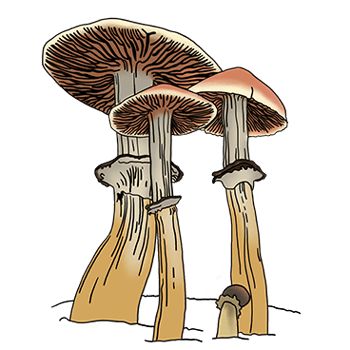
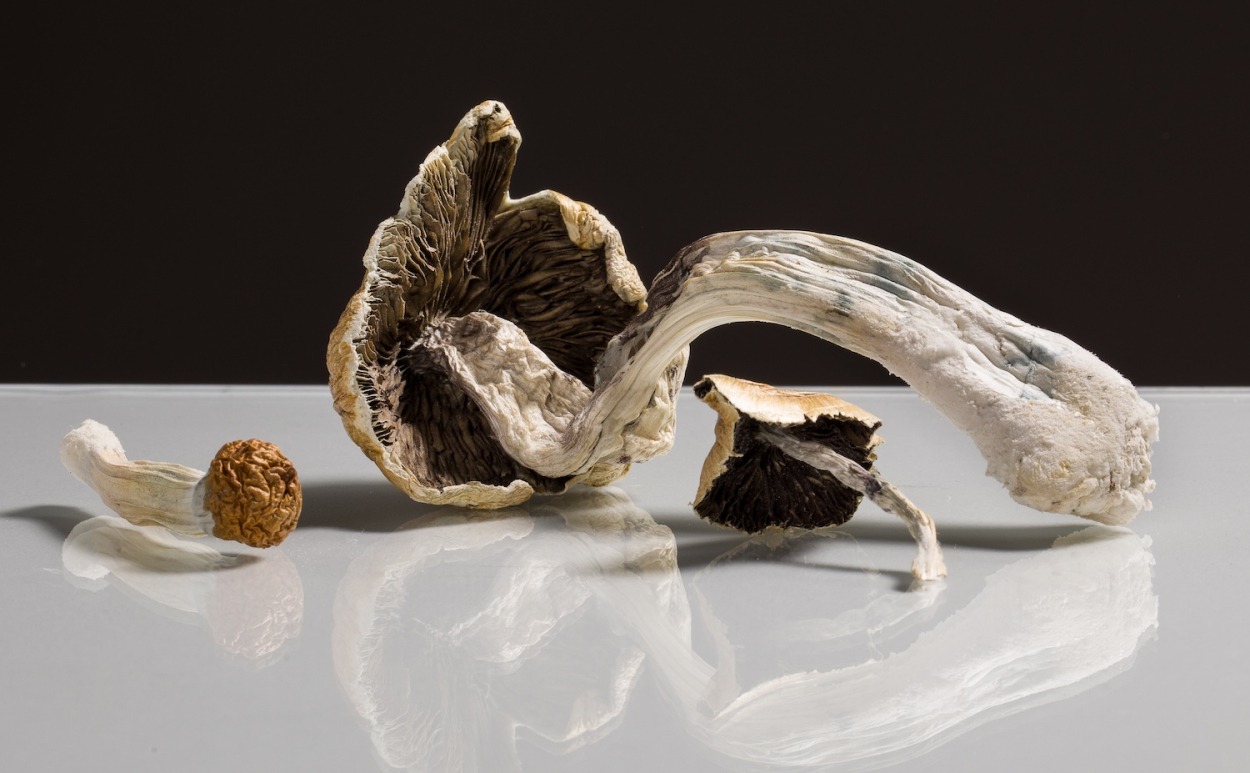
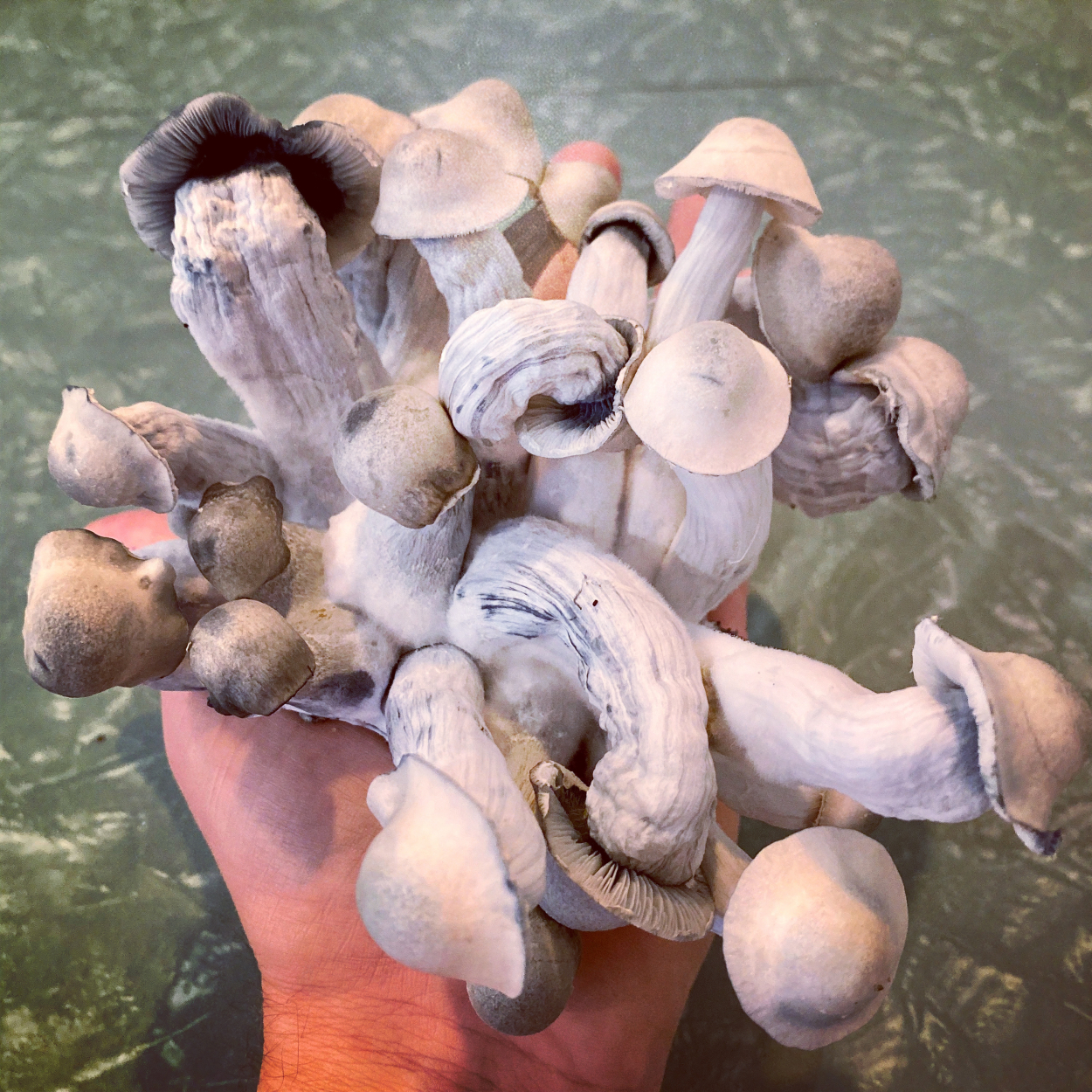
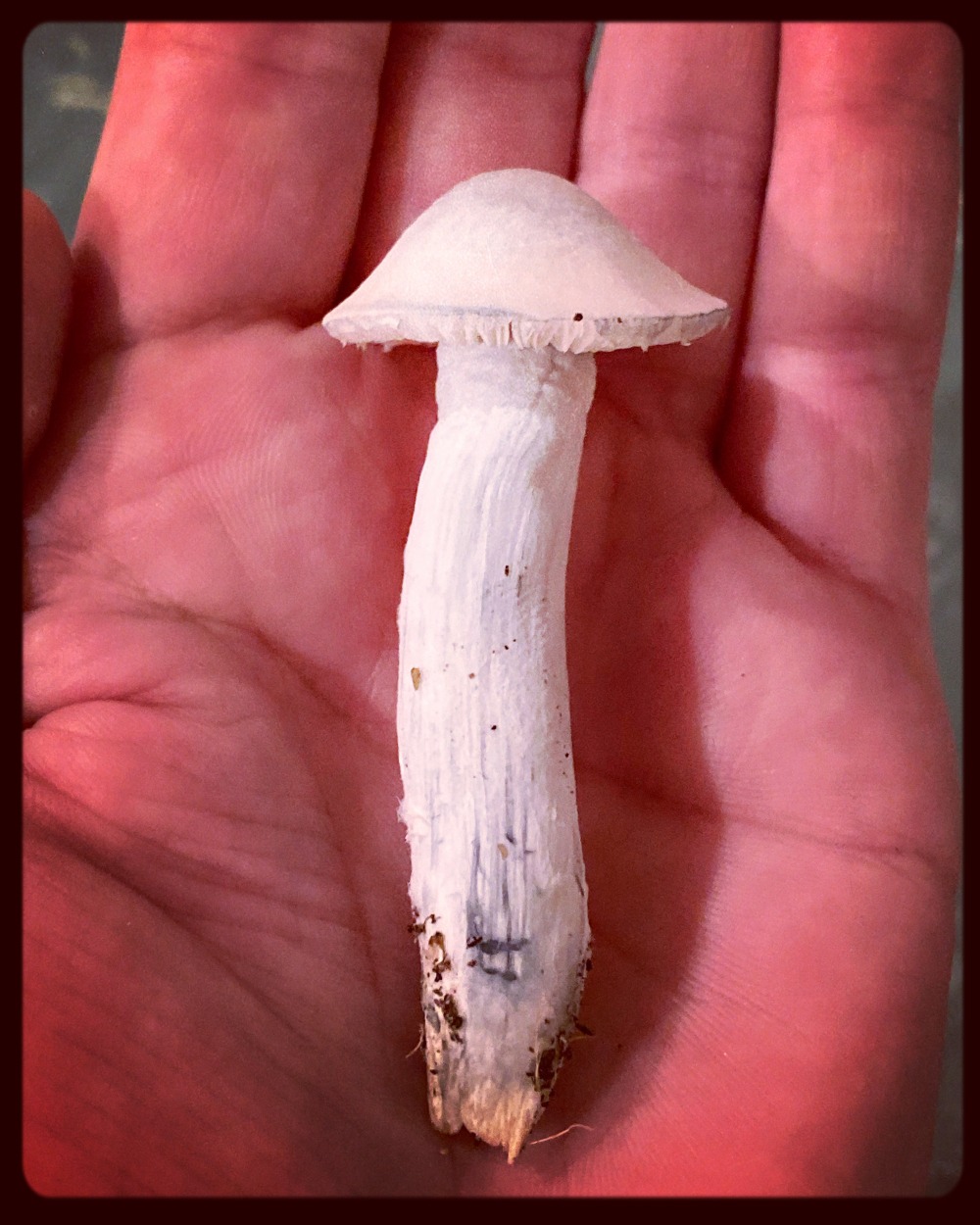
In Nahuatl, the language of the Aztecs, the name for psilocybin mushrooms is teonanácatl, which has been translated to “flesh of the gods.” There are more than 180 varieties of mushrooms that contain psilocybin and psilocin, the alkaloids responsible for their psychoactive effects. They are popularly called “magic mushrooms” and are perhaps the best known psychoactive plant variety with the greatest influence on the collective cultural imagination.
The different varieties of psychoactive mushrooms, also known as magic mushrooms, which contain psychoactive alkaloids such as psilocin, psilocybin and baeocystin, belong to the families Strophariaceae and Hymenogastraceae of basidiomycete mushrooms, of the Agaricales order. The most common and well-known genera that produce species that contain these alkaloids are Psilocybe and Panaeolus. From Iceers.com
Psilocybin mushrooms produce psychoactive effects in humans very similar to the rest of the classical psychedelics such as LSD and mescaline. Most users describe the experience as an internal journey, in which they go through different phases with varying effects.
The first effects usually begin to be perceived earlier than with LSD or mescaline, and by about 30 minutes after ingestion they can be discerned. The maximum effects are usually established between 60 and 90 minutes after ingestion, and they last for about two hours before starting to diminish. The total duration of the experience is around 4 to 6 hours, depending on the dose. From Iceers.com
In addition to the ability of psilocybin to induce mystical experiences, other potentially therapeutic effects have been found in clinical trials.
The use of psilocybin in the treatment of anxiety and the increase in quality of life in cases of people with advanced cancer diagnoses has been investigated. It has also been used in research for the treatment of cluster headaches as well as obsessive-compulsive disorder. Studies have also been undertaken in tobacco and alcohol addiction, as well as the therapeutic potential for treatment-resistant depressive disorders, all with promising results.
The active ingredients of psilocybin mushrooms, psilocybin and psilocin, are controlled substances on Schedule I of the 1971 United Nations convention. Therefore, the sale of these substances is illegal.
However, mushrooms containing these substances are controlled differently in particular countries, according to each country’s interpretation of Schedule I. In Schedule I of the 1971 Convention, only active ingredients appear, not the natural materials that contain them (such as mushrooms or plants), which leaves the interpretation of the prohibition of botanical materials open to the particular laws of each country. Furthermore, in many countries these mushrooms grow wild. From Iceers.com
Did you know…
Mushroom spores, as well as culture kits that do not contain mushrooms, and therefore their active ingredients, are sold in smart-shops in some countries.
Despite the federal prohibition on supply and possession — outside approved clinical research, the Food and Drug Administration’s Expanded Access program, and some religious exemptions — some state and local governments are loosening their approaches to some psychedelics.
In fact, some states are implementing or considering approaches that legalize some forms of supply to adults for any reason. It seems likely that more jurisdictions will consider and implement alternative policies to prohibiting the nonclinical supply of some psychedelics. From Rand.org
That’s where Decriminalize Nature comes in!
We are working tirelessly around the country to decriminalize psilocybin mushrooms and promoting the grow – gather – gift model for sharing nature’s bounties.